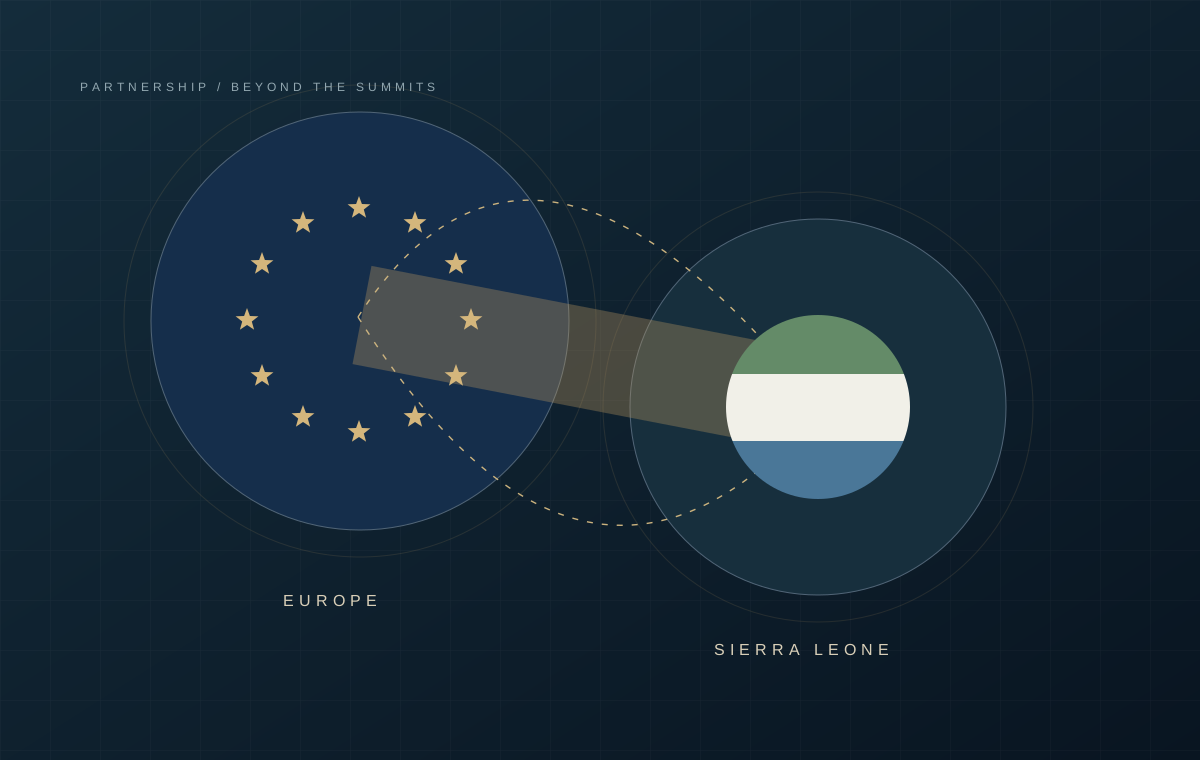
Between a diplomatic meeting and a completed project lies the less visible work of cooperation: rules, resources and interlocutors able to follow through. The relationship between the European Union and Sierra Leone offers two different examples.
The priorities behind cooperation
The European Commission’s country brief sets out €352 million in grant funding for 2021–2027. The areas described include sustainable energy, food systems, biodiversity and private-sector development. This is a multiannual programme, not a new allocation announced today.[1]
The same brief links business support with access to markets, services and a more predictable economic environment. Reading the partnership requires looking beyond the headline sum to the mechanisms through which a priority becomes an identifiable intervention.[1]
A counterpart for European business
EuroCham Sierra Leone was inaugurated in Freetown on 9 June 2026 during the third government–EU public–private dialogue. The EEAS statement presents the chamber as a common forum for European companies and a channel for engagement with local institutions.[2]
Continuity will be worth watching: whether issues raised at previous meetings can be revisited, progress recorded and responsibilities made clear. That is where dialogue can become more than an entry in a calendar.
A partnership is not a completed outcome
Programmes and platforms establish a framework for work. They do not demonstrate that every initiative will deliver its intended effects. A careful account of economic diplomacy must distinguish declared objectives, activities that have started and results that can subsequently be documented.